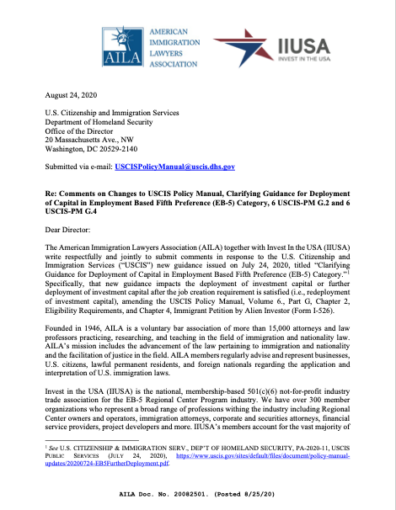
The Implications of USCIS Policy Changes on EB-5 Investments
The recent changes to the USCIS Policy Manual have significant implications for EB-5 investments, particularly concerning the deployment of capital after job creation requirements are met. Investors need to understand how these alterations may affect their investment strategies and timelines for obtaining U.S. permanent residency.
For instance, the revisions may lead to delays in capital deployment, which could impact project timelines and investor returns. Stakeholders must stay informed about these changes to navigate the evolving landscape of the EB-5 program effectively.
Understanding the EB-5 Reform and Integrity Act of 2022
The EB-5 Reform and Integrity Act of 2022 introduced crucial reforms aimed at improving the integrity and attractiveness of the EB-5 program. This legislation not only extends the Regional Center Program but also implements new safeguards to protect investors and ensure compliance.
Key provisions of the Act include enhanced reporting requirements for regional centers and stricter oversight of investment projects. Understanding these reforms is essential for potential investors, as they offer a clearer pathway to securing U.S. residency while ensuring the protection of their investment capital.
How to Choose the Right EB-5 Project
Selecting the right EB-5 project is critical for maximizing investment returns and ensuring compliance with USCIS requirements. Investors should consider various factors, including the project's financial viability, the track record of the regional center, and the potential for job creation.
For example, projects that demonstrate a strong history of successful capital deployment and job creation are more likely to meet USCIS requirements and provide a favorable return on investment. Conducting thorough due diligence and consulting with experienced professionals can significantly enhance an investor's chances of success.
Key Considerations for Indian Investors in the EB-5 Program
Indian investors are increasingly viewing the EB-5 Visa program as a viable option for obtaining U.S. residency. This trend is driven by various factors, including the desire for better educational opportunities for their children and the potential for improved quality of life in the U.S.
Moreover, the recent changes in immigration policies and the introduction of the EB-5 Reform and Integrity Act have made the program more attractive to Indian nationals. Understanding the implications of these changes can help investors make informed decisions and capitalize on the benefits of the EB-5 program.