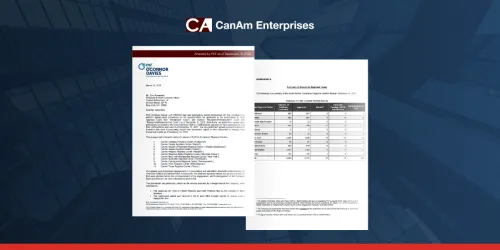
When you are evaluating EB-5 regional centers, you will encounter a lot of impressive-sounding numbers. Billions raised. Thousands of investors. Hundreds of approvals. What you...

March 2026 Visa Bulletin Webinar Series | Post 1 An analysis with Charlie Oppenheim, former 23-year Chief of Immigrant Visa Control at the U.S. Department...
Before the Reform and Integrity Act, rural America was largely absent from the EB-5 story. The program’s capital flowed primarily to major metropolitan markets, New...
Thinking about investing in the EB-5 program? You’re not alone. Thousands of families worldwide consider this path to U.S. permanent residency each year, and they...
EB-5 filing trends since the Reform and Integrity Act (RIA) tell a remarkable story—but getting to that story has been harder than it should be....
Understanding what goes into an I-956F filing package is important—but understanding what USCIS scrutinizes most closely is critical. For EB-5 investors evaluating regional centers, knowing...

The EB-5 visa process can appear daunting, but breaking it down into manageable steps can help prospective investors navigate it with confidence. From selecting a suitable investment project to filing necessary applications, understanding each phase is crucial for success.
Investors should start by researching qualified projects and ensuring they meet the minimum investment requirements. Once a project is chosen, applicants must complete Form I-526, demonstrating that their investment will create jobs in the U.S. After approval, they can apply for conditional permanent residency, making it essential to stay informed about timelines and procedural updates.
There are several misconceptions surrounding the EB-5 investment program that can lead to confusion for potential investors. One of the most prevalent myths is that all EB-5 investments guarantee a green card, which is not the case; investors must meet specific criteria to secure their status.
Additionally, many believe that EB-5 investments are only suitable for wealthy individuals. However, the program is designed to attract a diverse range of investors, including those who may not have traditional backgrounds in finance. Understanding these misconceptions can help investors make informed decisions about their immigration and investment strategies.
Economic trends significantly influence the demand for EB-5 visas, as they affect both investor confidence and project viability. Shifts in the U.S. economy, such as changes in job creation rates, can directly impact the attractiveness of the EB-5 program.
For example, during periods of economic growth, more investors may seek to enter the U.S. market through the EB-5 program, while economic downturns may lead to hesitancy. Keeping abreast of economic indicators can help prospective investors assess the right timing for their EB-5 applications.
Many individuals have transformed their lives and secured their families' futures through successful EB-5 investments. These success stories highlight the potential of the program to provide not just residency but also new opportunities in the U.S. market.
For instance, investors who have utilized the EB-5 program often recount how it enabled them to start businesses, access quality education for their children, and integrate into American society. Sharing these narratives can inspire and inform potential investors about the tangible benefits of the EB-5 visa program.
The EB-5 visa process can appear daunting, but breaking it down into manageable steps can help prospective investors navigate it with confidence. From selecting a suitable investment project to filing necessary applications, understanding each phase is crucial for success.
Investors should start by researching qualified projects and ensuring they meet the minimum investment requirements. Once a project is chosen, applicants must complete Form I-526, demonstrating that their investment will create jobs in the U.S. After approval, they can apply for conditional permanent residency, making it essential to stay informed about timelines and procedural updates.
There are several misconceptions surrounding the EB-5 investment program that can lead to confusion for potential investors. One of the most prevalent myths is that all EB-5 investments guarantee a green card, which is not the case; investors must meet specific criteria to secure their status.
Additionally, many believe that EB-5 investments are only suitable for wealthy individuals. However, the program is designed to attract a diverse range of investors, including those who may not have traditional backgrounds in finance. Understanding these misconceptions can help investors make informed decisions about their immigration and investment strategies.
Economic trends significantly influence the demand for EB-5 visas, as they affect both investor confidence and project viability. Shifts in the U.S. economy, such as changes in job creation rates, can directly impact the attractiveness of the EB-5 program.
For example, during periods of economic growth, more investors may seek to enter the U.S. market through the EB-5 program, while economic downturns may lead to hesitancy. Keeping abreast of economic indicators can help prospective investors assess the right timing for their EB-5 applications.
Many individuals have transformed their lives and secured their families' futures through successful EB-5 investments. These success stories highlight the potential of the program to provide not just residency but also new opportunities in the U.S. market.
For instance, investors who have utilized the EB-5 program often recount how it enabled them to start businesses, access quality education for their children, and integrate into American society. Sharing these narratives can inspire and inform potential investors about the tangible benefits of the EB-5 visa program.