
Part 2 of CanAm’s Series on EB-5 Adjudication Trends with Jen Hermansky and Pete Calabrese When Investors Ask: “Can I File Now and Fund Later?”...

For more than three decades, the EB-5 Program has generated substantial economic benefits for the United States. Between FY2016 and FY2019 alone, the EB-5 Program...

As the EB-5 industry looks toward 2026 and 2027 — two critical policy milestones — the message from CanAm’s recent EB-5 Advocacy Webinar was clear:...

For decades, the United States has been one of the world’s most attractive destinations for immigrant investors seeking opportunity, stability, and long-term security. Even as...
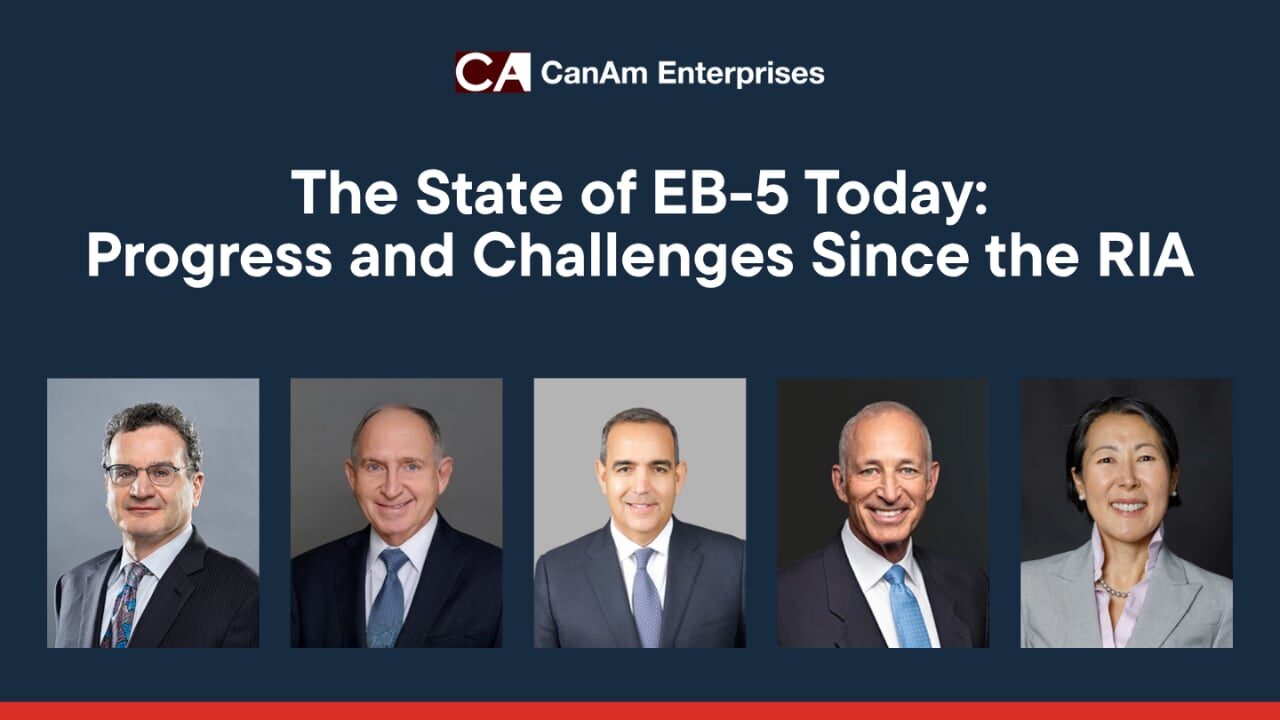
When Congress passed the EB-5 Reform and Integrity Act of 2022 (RIA), it marked the most comprehensive overhaul in the program’s 30-year history. Two years...

Insights from a recent CanAm webinar featuring Christine Chen, Aaron Grau, and Lee Li The EB-5 program has undergone one of the most meaningful transformations...

The EB-5 Visa Program can seem complex, but breaking it down into manageable steps can help prospective investors navigate the process more effectively. This guide outlines the key phases of applying for an EB-5 visa, from selecting a suitable investment project to the final steps of obtaining a green card.
Investors typically start by researching eligible projects and understanding the minimum investment requirements. Following this, they must file Form I-526, which includes documentation proving that the investment will create jobs in the U.S. Once approved, investors can apply for a conditional green card, leading to permanent residency after fulfilling the program's requirements.
Choosing the right investment opportunity is crucial for success in the EB-5 program. Investors should look for projects that not only meet the federal requirements but also have a solid business plan and a track record of success. This ensures a higher likelihood of job creation and compliance with EB-5 regulations.
Potential investors can assess projects by reviewing their economic impact studies, job creation forecasts, and the experience of the project developers. Engaging with reputable regional centers can also provide insights into the viability of investment opportunities and help investors make informed decisions.
The EB-5 program plays a significant role in stimulating the U.S. economy by attracting foreign investment. Each EB-5 visa can potentially create ten jobs for U.S. workers, contributing to local economies and supporting various industries, from real estate to hospitality.
Recent studies have shown that projects funded through the EB-5 program have generated billions in economic output. This influx of capital not only leads to job creation but also enhances infrastructure development and community revitalization, making the program beneficial for both investors and the American economy.
Navigating the EB-5 application process can present several challenges for investors. Common issues include understanding the legal requirements, managing timelines, and ensuring compliance with federal regulations. These hurdles can lead to delays or even denials if not addressed properly.
To mitigate these challenges, investors should seek guidance from experienced immigration attorneys and financial advisors who specialize in EB-5 matters. Additionally, staying informed about changes in immigration policies and market conditions can help investors adapt their strategies and improve their chances of a successful application.


