Navigating the Future of EB-5: Insights from Industry Leaders
The EB-5 program has undergone one of the most meaningful transformations in its 30-year history since the passage of the Reform and Integrity Act (RIA) in 2022. With new integrity rules, greater transparency requirements, meaningful protections for investors, and visa set-asides designed to rebalance where investment flows, the post-RIA landscape looks very different from the EB-5 of the past decade.
At a recent CanAm webinar, Chief Operating Officer Christine Chen sat down with Aaron Grau, Executive Director of IIUSA, and Lee Li, IIUSA’s Director of Policy Research and Data Analytics. Their wide-ranging conversation covered everything from the grandfathering timeline to new filing trends, updated adjudication data, rural investment growth, and what the pathway to a permanent reauthorization could look like.
A significant development occurred last week in the EB-5 Program: a federal court reinstated the pre-April 2024 USCIS filing fees for all EB-5 forms, including Form I-526E. USCIS has now updated its website to confirm that these lower fees are legally in effect following the court’s decision in Moody et al. v. Mayorkas et al.
EB-5 Today and Tomorrow: Industry Leaders on What's Next for Investors
At a time of global uncertainty and shifting U.S. immigration policy, CanAm Enterprises brought together four of the EB-5 industry’s most respected voices for a rare, unfiltered discussion on where the program stands—and where it’s headed next. Moderated by immigration attorney Carolyn Lee, the panel featured Tom Rosenfeld (Founder & CEO, CanAm Enterprises), Ira Kurzban (Kurzban Kurzban Tetzeli & Pratt), Ron Klasko (Klasko Immigration Law Partners), and Enrique Gonzalez (Fragomen).
The conversation, EB-5 Today and Tomorrow, offered a comprehensive view of the program’s policy successes, emerging challenges, and advocacy priorities leading into 2026–2027—the next critical juncture for EB-5 investors and stakeholders.
At CanAm Enterprises, our commitment to compliance, transparency, and investor success is led by experienced professionals who understand the stakes for immigrant investors and their families. One of those leaders is our General Counsel, Walter Gindin, whose story and expertise were recently featured in a CIO Times cover article highlighting his journey and impact on the EB-5 industry.
EB-5 Adjudication Trends: What EB-5 Investors Need to Know in 2025
The EB-5 Immigrant Investor Program remains one of the most reliable paths to permanent U.S. residency through investment, but investors and their advisors are navigating a shifting regulatory landscape. Recent adjudication trends from U.S. Citizenship and Immigration Services (USCIS) are reshaping how investors prepare, document, and fund their EB-5 petitions.
In a recent webinar hosted by CanAm Enterprises, Pete Calabrese, CEO of CanAm Investor Services, sat down with Jennifer Hermansky, Shareholder at Greenberg Traurig LLP and Chair of the AILA EB-5 Committee, to discuss the evolving standards for EB-5 petition adjudications. The discussion covered partial funding strategies, loan-based investments, and the use of self-directed retirement accounts for EB-5.
CanAm Celebrates Groundbreakings of Four Seasons Resort and Residences Telluride
CanAm Enterprises is pleased to announce that construction is officially underway on the Four Seasons Resort and Residences Telluride, marking a major milestone for one of the most anticipated luxury developments in the Rocky Mountain region.
CanAm Enterprises Appoints Anthony Ross as Chief Financial Officer
New York, NY — October 14, 2025 — CanAm Enterprises (“CanAm”), a leading full-service financial firm specializing in immigration-linked investments and private credit, is pleased to announce the appointment of Anthony Ross as Chief Financial Officer (CFO).
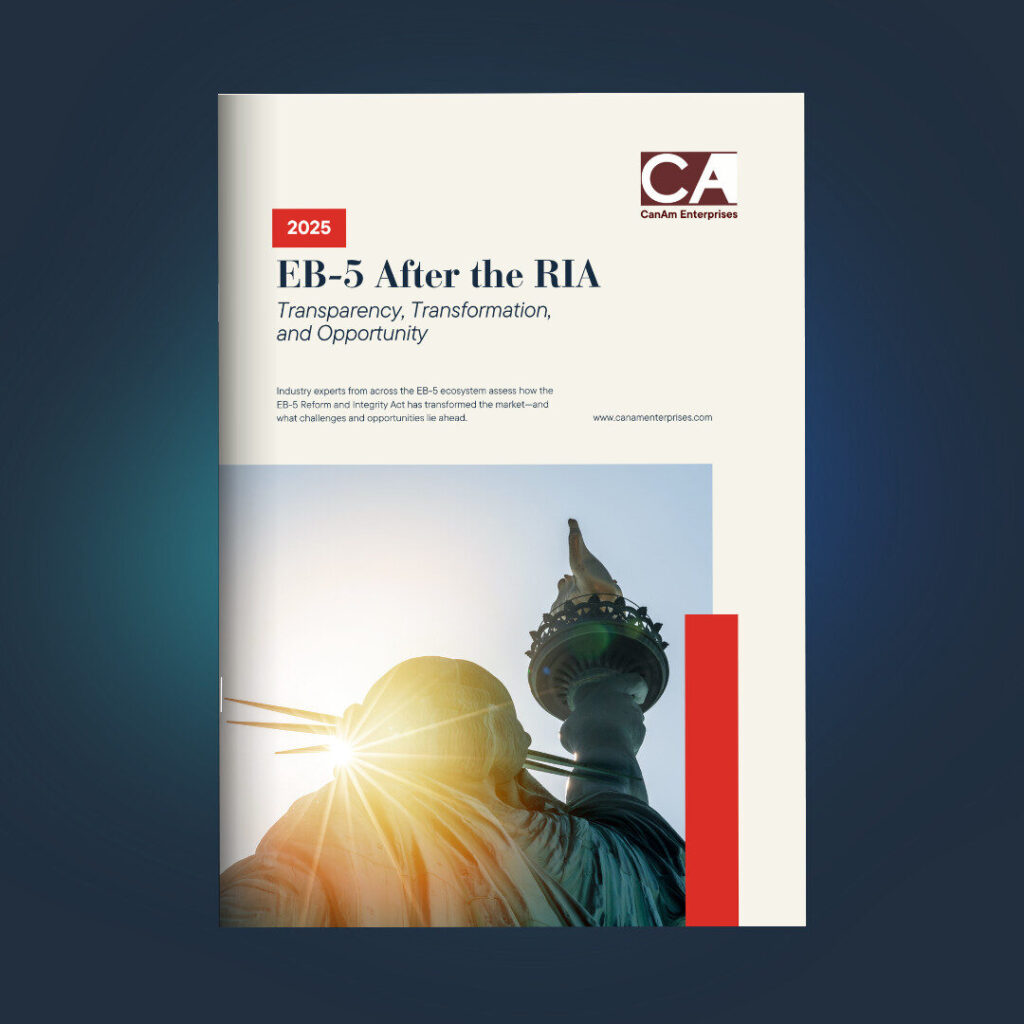
EB-5 After the RIA: An Analysis of the Program's Transformation
The EB-5 Immigrant Investor Program has undergone a significant transformation since the passage of the Reform and Integrity Act (RIA). This white paper, authored by leading industry experts, provides a comprehensive analysis of the RIA’s impact on investment trends, compliance requirements, and the future of the program.
Download now to access our white paper with exclusive insights on the EB-5 Reform and Integrity Act’s impact, opportunities, and the path forward.
Compare CanAm’s capital repayment record against any other regional center and see why thousands of immigrant investor families have entrusted their EB-5 journeys to us.
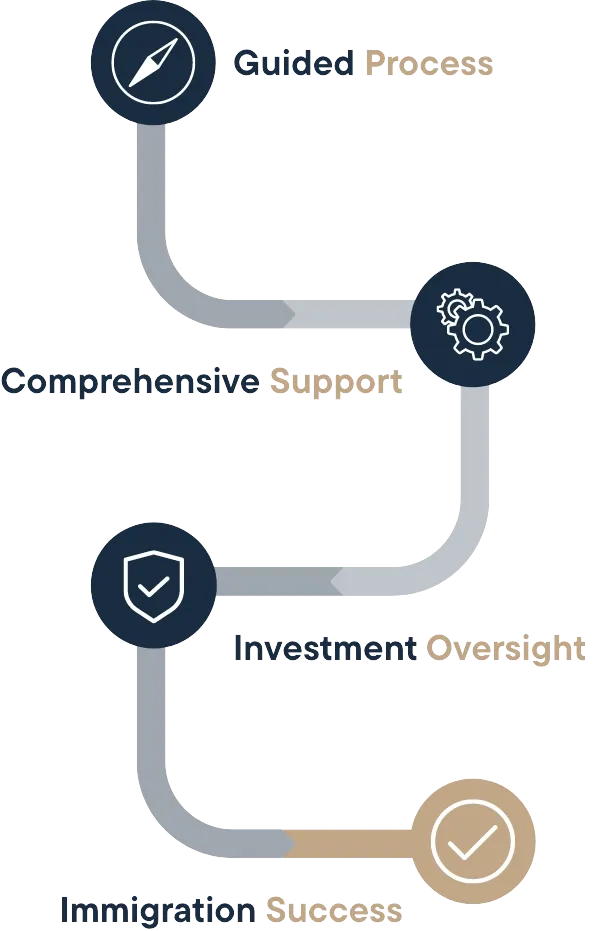
At CanAm, your success is our priority. We understand that immigrating to the U.S. is a life-changing decision, and we’re here to be your trusted partner every step of the way. From your initial consultation to understanding your investments and navigating the complexities of the immigration process, we’re by your side with client-focused service and unwavering support.
We recognize that your investment is about securing your family’s future. That’s why we take a prudent approach to the EB-5 process. With over 38 years of experience, our team meticulously selects projects we believe will preserve your investment capital and help you achieve your immigration goals. Each project is chosen as if it were for our own family.
CanAm provides high-quality investment projects that meet all USCIS requirements for the EB-5 Visa Program.
We bridge the gap between qualified foreign investors and reputable project developers. This allows you to obtain permanent U.S. residency while contributing to the U.S. economy through job creation and economic growth.
The EB-5 Visa Program: Your Investment. Your Future.
The EB-5 Program offers qualified foreign investors the opportunity to gain permanent residence (a “green card”) in return for investing $800,000 in projects located in Targeted Employment Areas (TEAs) that create at least ten permanent full-time jobs for U.S. workers.
Explore the benefits today! You may be eligible for:
Employment Authorization Document
Work in the U.S. for any employer without sponsorship with an Employment Authorization Document (EAD).
Travel Permit
Travel within and outside of the U.S. freely with a Travel Permit.
TESTIMONIALS
Hear From CanAm Clients
“CanAm’s team worked very hard to make sure our application was very thorough. We received reports about the status of our investment regularly.”
INVESTORTemple University Project
“CanAm’s team was always responsive and proactively keep things updated whenever requested.”
INVESTOR, MR. MMiamicentral Project
“Because of you all at CanAm, I am actually living my dream and I have no more words to express my gratitude. “
INVESTOR, MR. CAll Aboard Florida Project
"CanAm has set an astonishing example by returning the amount back in this despairing and chaotic pandemic situation where the entire industry is suffering dramatically."
INVESTOR, MRS. CHAll Aboard Florida Project
"During a turbulent economy and some rapid changes in EB5 legislation interpretation, CanAm proved to be the best EB-5 company. I was kept up to date consistently with the progress of my EB-5/green card, and I never worried about the security or return of my investment."
Investor, MR. BPA Conventional Center
"I would like to thank CanAm for your excellent work, reliable and trustworthy ability and long-lasting supports to the partners. It was a great experience to work with you."
Investor, MR. YPCC Project
EB-5 Capital Raised as of Feb 12, 2025
$0B
EB-5 Capital Repaid
$0+ B
Permanent Green Cards**
0+
EB-5 Projects Funded
0+
CanAm Enterprises: 20 Years in EB-5
CanAm recently celebrated our 20th Anniversary in EB-5. Watch our video commemorating the many milestones that got us here.
windshield, vehicle, engine, rotax, brake, horsepower, trail, canamx3, ca nam spyder, can can spyder, canam, roadster, transmission, united states citizenship and immigration services, green card, lawyer, eb5, citizenship, employment, fraud, foreign direct investment, immigration law, law, economic growth, investment fund, due diligence, adjustment of status, mailing list, visa bulletin, consul, adjudication, infrastructure, naturalization, foreign national, united states department of state, american immigration lawyers association, email address, immigration act of 1990, wealth, economic development, regulatory compliance, eb 5, lawsuit, adjudicator, risk, private equity
Frequently Asked Questions
How much is the minimum investment required for a green card?
The minimum investment required for a green card through the EB-5 Immigrant Investor Program is typically $1 million, or $500,000 in targeted employment areas.
What is the minimum investment required for EB5?
The minimum investment required for the EB-5 Visa Program is typically $1 million or $500,000 if the investment is made in a Targeted Employment Area (TEA).
What is the processing time for an EB-5 visa application?
The processing time for an EB-5 visa application varies, but it typically takes 12 to 24 months from submission to approval, depending on factors such as the service center's workload and individual case complexities.
Are there any job creation requirements for EB-5 investors?
The job creation requirements for EB-5 investors specify that each investment must create or preserve at least 10 full-time jobs for U.S. workers within two years of the investor's arrival in the United States.
Can I get an EB-5 visa by investing in a franchise business?
Investing in a franchise business can qualify you for an EB-5 visa, provided the franchise meets U.S. Citizenship and Immigration Services (USCIS) requirements, including job creation and investment amounts.
Can spouses and children obtain EB5 visas too?
Spouses and children can indeed obtain EB-5 visas. When an investor is granted an EB-5 visa, their immediate family members, including a spouse and unmarried children under the age of 21, can also receive visas as dependents.
Do I need to have prior business experience for an EB-5 visa?
Prior business experience is not a requirement for obtaining an EB-5 visa. However, having some knowledge of business operations can be beneficial when making investment decisions and managing the investment effectively.
How long does the EB5 process typically take?
The timeline for the EB-5 process generally takes between 18 to 24 months, depending on several factors such as USCIS processing times and the specifics of the investment project.
What is the EB5 visa program in the United States?
The EB-5 visa program in the United States is an immigration initiative that allows foreign investors to obtain U.S. residency by investing in qualified U.S. projects that create jobs, thus fostering economic growth.
Can EB5 investors live and work anywhere in the US?
EB-5 investors can live and work anywhere in the U.S. after obtaining their visas. This flexibility allows them to choose their preferred location for residence and employment across the country.
Can I get an EB-5 visa by investing in a small business?
Investing in a small business may qualify you for an EB-5 visa, provided the business meets specific criteria, such as creating a certain number of jobs and being situated in a targeted employment area.
Can I include my family members in my EB-5 application?
You can include your family members in your EB-5 application. This allows your spouse and children under the age of 21 to obtain U.S. residency alongside you, making it a great option for families seeking to invest together.
What kind of businesses qualify for EB5 investments in the US?
The types of businesses that qualify for EB-5 investments in the U.S. include new commercial enterprises, which must create at least ten full-time jobs for U.S. workers, and targeted employment areas, offering lower investment thresholds.
What are the benefits of obtaining an EB5 visa?
The benefits of obtaining an EB-5 visa include the opportunity for U.S. residency, access to a U.S. green card for investors and their immediate family, and the potential for financial returns from investing in qualified projects.
Are there any language proficiency requirements for EB-5 applicants?
There are no language proficiency requirements for EB-5 applicants. However, having a basic understanding of English can be beneficial for navigating the immigration process and integrating into the U.S. community.
Are there any risks involved with EB5 immigration?
The risks involved with EB-5 immigration include potential project failures, changes in immigration laws, and the possibility of not meeting investment requirements, which can affect the approval of the visa application.
Can I get an EB-5 visa if Im already in the US?
You can obtain an EB-5 visa while already in the U.S., provided you maintain lawful status and meet all EB-5 program requirements. It's advisable to consult with an immigration expert for personalized guidance.
How does the EB5 program work for investors?
The EB-5 program works for investors by allowing them to obtain U.S. residency through a minimum investment in a qualified project, which creates jobs and stimulates economic growth, thereby fulfilling the visa requirements.
What are the benefits of obtaining an EB-5 visa through investment?
The benefits of obtaining an EB-5 visa through investment include the opportunity for U.S. residency, eligibility for family members, and a pathway to permanent residency, all while contributing to job creation and economic growth in the U.S.
What financial documents are required for EB-5?
The financial documents required for the EB-5 program include proof of the source of investment funds, such as bank statements, income tax returns, and business registration documents. These documents validate the legality and origins of your investment capital.
Which industries are best for EB-5 investments?
The best industries for EB-5 investments typically include real estate, healthcare, and hospitality, as these sectors tend to offer stable growth, job creation, and solid returns, making them attractive options for investors seeking to fulfill the EB-5 criteria.
How is the EB-5 application assessed?
The assessment of the EB-5 application involves a thorough examination of the investor's financial background, the project’s viability, and the adherence to program requirements, ensuring that investments lead to job creation and economic growth in the U.S.
What are the tax implications of EB-5 investments?
The tax implications of EB-5 investments include potential U.S. tax obligations on income generated from the investment, along with possible foreign tax liabilities, depending on the investor’s residency and the structure of the investment.
What role do regional centers play in EB-5?
The role of regional centers in EB-5 is crucial as they facilitate investment opportunities and manage projects that qualify for the EB-5 visa. They help streamline the process for investors and ensure compliance with U.S. immigration requirements.
How does capital investment impact EB-5 approval?
The impact of capital investment on EB-5 approval is significant. A qualifying investment of at least $1 million, or $500,000 in targeted employment areas, is essential to satisfy program requirements and secure the pathway to U.S. residency.
What is the role of job creation in EB-5?
The role of job creation in EB-5 is crucial, as investors must create or preserve at least 10 full-time jobs for U.S. workers to qualify for the visa, demonstrating their commitment to economic growth and sustainability.
Can I change my investment project after applying?
Changing your investment project after applying is possible, but it may require a formal amendment to your EB-5 application. It's important to consult with your immigration attorney to understand the implications and process involved.
What happens if my EB-5 application is denied?
If your EB-5 application is denied, you may have the option to appeal the decision or reapply by addressing the reasons for denial. Consulting with an immigration attorney can provide guidance on the next steps to take.
How does EB-5 affect my familys immigration status?
The EB-5 program positively impacts your family's immigration status by allowing you, as an investor, to obtain a U.S. green card. This status can extend to your spouse and unmarried children under 21, granting them residency benefits as well.
What steps are involved after receiving EB-5 approval?
The steps involved after receiving EB-5 approval include filing for conditional permanent residency with Form I-485, attending an interview with USCIS, and subsequently obtaining a Green Card. Continuous investment in the project must also be maintained.
The EB-5 Visa process allows foreign investors to obtain U.S. residency by investing in qualified projects that create jobs. This program is designed to stimulate the U.S. economy through capital investment and job creation in targeted employment areas.
To successfully navigate the EB-5 process, investors must meet specific requirements, including a minimum investment amount and job creation criteria. Understanding these requirements is crucial for prospective investors to ensure compliance and maximize their chances of obtaining a Green Card.
Benefits of the EB-5 Visa
The EB-5 Visa offers numerous benefits, including the ability to secure permanent residency in the U.S. for investors and their immediate families. This visa not only provides a pathway to citizenship but also allows investors to live, work, and study in the United States.
Additionally, the EB-5 program can lead to significant financial returns if the investment is made in a profitable project. Many investors also appreciate the stability and safety that comes with U.S. residency, especially in comparison to other visa options.
Common Challenges Faced by EB-5 Investors
While the EB-5 Visa presents a valuable opportunity, investors often face challenges such as navigating complex immigration laws, understanding investment risks, and ensuring compliance with program requirements. These challenges can be daunting for first-time investors.
It's essential for prospective EB-5 investors to work with experienced professionals who can guide them through the process, helping to mitigate risks and ensure a smooth experience from application to approval.
Future Trends in the EB-5 Program
The EB-5 program is continually evolving, with new regulations and trends emerging that can impact investors. Staying informed about these changes is vital for potential investors looking to enter the market.
Recent discussions around the "Gold Card" proposal and changes in visa processing times highlight the importance of being proactive. Investors should keep an eye on legislative updates and emerging trends that could influence their investment strategies and immigration plans.
windshield, vehicle, engine, rotax, brake, horsepower, trail, canamx3, ca nam spyder, can can spyder, canam, roadster, transmission, united states citizenship and immigration services, green card, lawyer, eb5, citizenship, employment, fraud, foreign direct investment, immigration law, law, economic growth, investment fund, due diligence, adjustment of status, mailing list, visa bulletin, consul, adjudication, infrastructure, naturalization, foreign national, united states department of state, american immigration lawyers association, email address, immigration act of 1990, wealth, economic development, regulatory compliance, eb 5, lawsuit, adjudicator, risk, private equity
Frequently Asked Questions
How much is the minimum investment required for a green card?
The minimum investment required for a green card through the EB-5 Immigrant Investor Program is typically
million, or 0,000 in targeted employment areas.
What is the minimum investment required for EB5?
The minimum investment required for the EB-5 Visa Program is typically million or 0,000 if the investment is made in a Targeted Employment Area (TEA).
What is the processing time for an EB-5 visa application?
The processing time for an EB-5 visa application varies, but it typically takes 12 to 24 months from submission to approval, depending on factors such as the service center's workload and individual case complexities.
Are there any job creation requirements for EB-5 investors?
The job creation requirements for EB-5 investors specify that each investment must create or preserve at least 10 full-time jobs for U.S. workers within two years of the investor's arrival in the United States.
Can I get an EB-5 visa by investing in a franchise business?
Investing in a franchise business can qualify you for an EB-5 visa, provided the franchise meets U.S. Citizenship and Immigration Services (USCIS) requirements, including job creation and investment amounts.
Can spouses and children obtain EB5 visas too?
Spouses and children can indeed obtain EB-5 visas. When an investor is granted an EB-5 visa, their immediate family members, including a spouse and unmarried children under the age of 21, can also receive visas as dependents.
Do I need to have prior business experience for an EB-5 visa?
Prior business experience is not a requirement for obtaining an EB-5 visa. However, having some knowledge of business operations can be beneficial when making investment decisions and managing the investment effectively.
How long does the EB5 process typically take?
The timeline for the EB-5 process generally takes between 18 to 24 months, depending on several factors such as USCIS processing times and the specifics of the investment project.
What is the EB5 visa program in the United States?
The EB-5 visa program in the United States is an immigration initiative that allows foreign investors to obtain U.S. residency by investing in qualified U.S. projects that create jobs, thus fostering economic growth.
Can EB5 investors live and work anywhere in the US?
EB-5 investors can live and work anywhere in the U.S. after obtaining their visas. This flexibility allows them to choose their preferred location for residence and employment across the country.
Can I get an EB-5 visa by investing in a small business?
Investing in a small business may qualify you for an EB-5 visa, provided the business meets specific criteria, such as creating a certain number of jobs and being situated in a targeted employment area.
Can I include my family members in my EB-5 application?
You can include your family members in your EB-5 application. This allows your spouse and children under the age of 21 to obtain U.S. residency alongside you, making it a great option for families seeking to invest together.
What kind of businesses qualify for EB5 investments in the US?
The types of businesses that qualify for EB-5 investments in the U.S. include new commercial enterprises, which must create at least ten full-time jobs for U.S. workers, and targeted employment areas, offering lower investment thresholds.
What are the benefits of obtaining an EB5 visa?
The benefits of obtaining an EB-5 visa include the opportunity for U.S. residency, access to a U.S. green card for investors and their immediate family, and the potential for financial returns from investing in qualified projects.
Are there any language proficiency requirements for EB-5 applicants?
There are no language proficiency requirements for EB-5 applicants. However, having a basic understanding of English can be beneficial for navigating the immigration process and integrating into the U.S. community.
Are there any risks involved with EB5 immigration?
The risks involved with EB-5 immigration include potential project failures, changes in immigration laws, and the possibility of not meeting investment requirements, which can affect the approval of the visa application.
Can I get an EB-5 visa if Im already in the US?
You can obtain an EB-5 visa while already in the U.S., provided you maintain lawful status and meet all EB-5 program requirements. It's advisable to consult with an immigration expert for personalized guidance.
How does the EB5 program work for investors?
The EB-5 program works for investors by allowing them to obtain U.S. residency through a minimum investment in a qualified project, which creates jobs and stimulates economic growth, thereby fulfilling the visa requirements.
What are the benefits of obtaining an EB-5 visa through investment?
The benefits of obtaining an EB-5 visa through investment include the opportunity for U.S. residency, eligibility for family members, and a pathway to permanent residency, all while contributing to job creation and economic growth in the U.S.
What financial documents are required for EB-5?
The financial documents required for the EB-5 program include proof of the source of investment funds, such as bank statements, income tax returns, and business registration documents. These documents validate the legality and origins of your investment capital.
Which industries are best for EB-5 investments?
The best industries for EB-5 investments typically include real estate, healthcare, and hospitality, as these sectors tend to offer stable growth, job creation, and solid returns, making them attractive options for investors seeking to fulfill the EB-5 criteria.
How is the EB-5 application assessed?
The assessment of the EB-5 application involves a thorough examination of the investor's financial background, the project’s viability, and the adherence to program requirements, ensuring that investments lead to job creation and economic growth in the U.S.
What are the tax implications of EB-5 investments?
The tax implications of EB-5 investments include potential U.S. tax obligations on income generated from the investment, along with possible foreign tax liabilities, depending on the investor’s residency and the structure of the investment.
What role do regional centers play in EB-5?
The role of regional centers in EB-5 is crucial as they facilitate investment opportunities and manage projects that qualify for the EB-5 visa. They help streamline the process for investors and ensure compliance with U.S. immigration requirements.
How does capital investment impact EB-5 approval?
The impact of capital investment on EB-5 approval is significant. A qualifying investment of at least million, or 0,000 in targeted employment areas, is essential to satisfy program requirements and secure the pathway to U.S. residency.
What is the role of job creation in EB-5?
The role of job creation in EB-5 is crucial, as investors must create or preserve at least 10 full-time jobs for U.S. workers to qualify for the visa, demonstrating their commitment to economic growth and sustainability.
Can I change my investment project after applying?
Changing your investment project after applying is possible, but it may require a formal amendment to your EB-5 application. It's important to consult with your immigration attorney to understand the implications and process involved.
What happens if my EB-5 application is denied?
If your EB-5 application is denied, you may have the option to appeal the decision or reapply by addressing the reasons for denial. Consulting with an immigration attorney can provide guidance on the next steps to take.
How does EB-5 affect my familys immigration status?
The EB-5 program positively impacts your family's immigration status by allowing you, as an investor, to obtain a U.S. green card. This status can extend to your spouse and unmarried children under 21, granting them residency benefits as well.
What steps are involved after receiving EB-5 approval?
The steps involved after receiving EB-5 approval include filing for conditional permanent residency with Form I-485, attending an interview with USCIS, and subsequently obtaining a Green Card. Continuous investment in the project must also be maintained.
The EB-5 Visa process allows foreign investors to obtain U.S. residency by investing in qualified projects that create jobs. This program is designed to stimulate the U.S. economy through capital investment and job creation in targeted employment areas.
To successfully navigate the EB-5 process, investors must meet specific requirements, including a minimum investment amount and job creation criteria. Understanding these requirements is crucial for prospective investors to ensure compliance and maximize their chances of obtaining a Green Card.
Benefits of the EB-5 Visa
The EB-5 Visa offers numerous benefits, including the ability to secure permanent residency in the U.S. for investors and their immediate families. This visa not only provides a pathway to citizenship but also allows investors to live, work, and study in the United States.
Additionally, the EB-5 program can lead to significant financial returns if the investment is made in a profitable project. Many investors also appreciate the stability and safety that comes with U.S. residency, especially in comparison to other visa options.
Common Challenges Faced by EB-5 Investors
While the EB-5 Visa presents a valuable opportunity, investors often face challenges such as navigating complex immigration laws, understanding investment risks, and ensuring compliance with program requirements. These challenges can be daunting for first-time investors.
It's essential for prospective EB-5 investors to work with experienced professionals who can guide them through the process, helping to mitigate risks and ensure a smooth experience from application to approval.
Future Trends in the EB-5 Program
The EB-5 program is continually evolving, with new regulations and trends emerging that can impact investors. Staying informed about these changes is vital for potential investors looking to enter the market.
Recent discussions around the "Gold Card" proposal and changes in visa processing times highlight the importance of being proactive. Investors should keep an eye on legislative updates and emerging trends that could influence their investment strategies and immigration plans.