Understanding the EB-5 Reform and Integrity Act (RIA)
The EB-5 Reform and Integrity Act (RIA) significantly alters the landscape of the EB-5 visa program, introducing new compliance measures and opportunities for investors. This legislation aims to enhance the integrity of the program, ensuring that investments are directed towards job-creating projects that benefit U.S. communities.
Key provisions of the RIA include increased transparency in project funding and stricter regulations on how regional centers operate. Investors can expect a more structured process that prioritizes economic development in rural areas, ultimately leading to job creation and sustainable growth in those regions.
Benefits of Attending the Webinar
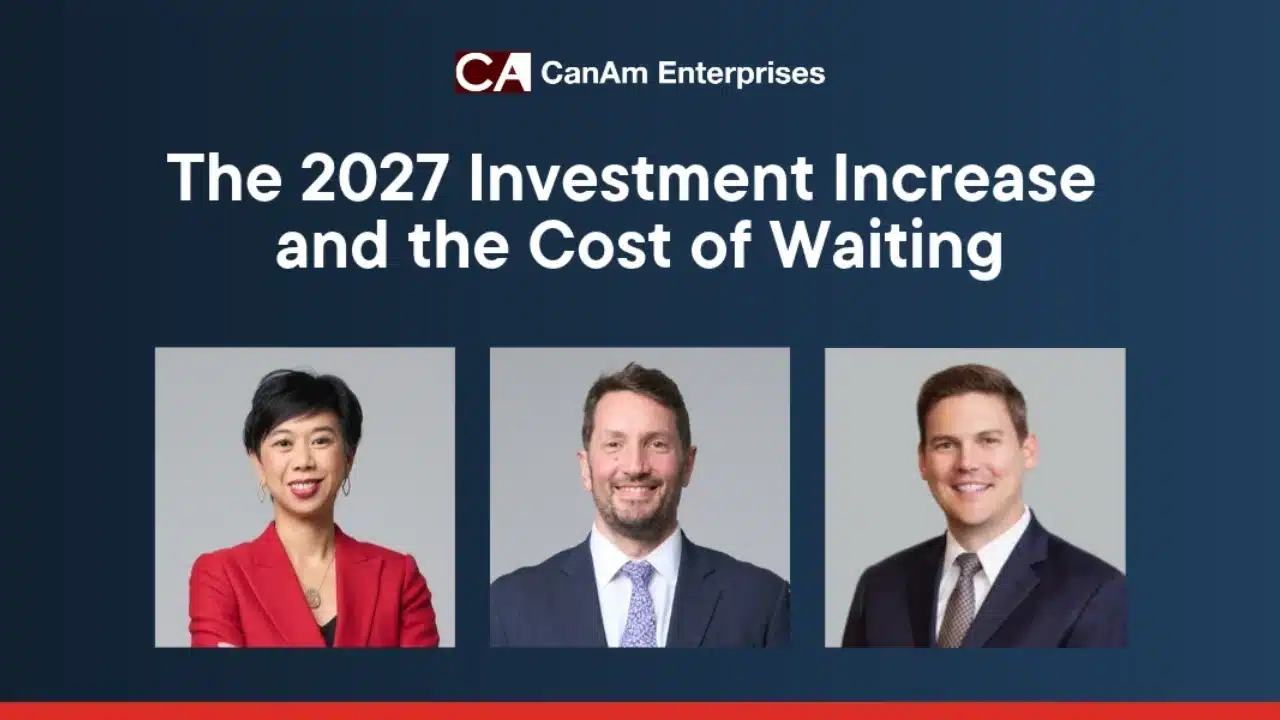
Participating in the upcoming webinar provides invaluable insights into the latest developments in the EB-5 landscape, particularly following the RIA's implementation. Attendees will have the opportunity to hear from industry leaders and experts who will share their experiences and strategies for navigating the changing environment.
Moreover, the webinar will cover critical topics such as compliance requirements and investment strategies, equipping potential investors with the knowledge needed to make informed decisions. This is an essential opportunity for anyone considering the EB-5 visa program as a pathway to U.S. residency.
How to Register for the Webinar
Registering for the webinar is a straightforward process that ensures you secure your spot for this informative event. Interested participants can fill out the registration form provided on the webpage, which captures essential details to facilitate access to the webinar.
Future of the EB-5 Program Post-RIA
The future of the EB-5 program post-RIA looks promising, with a renewed focus on transparency and accountability in investments. As the program evolves, it is expected to attract more foreign investors looking for secure pathways to U.S. residency.
With the RIA's emphasis on rural investment and job creation, there will likely be an increase in projects targeting underserved areas. This shift not only benefits investors but also contributes to the economic revitalization of communities across the United States.