The United States remains one of the most sought‑after destinations for higher education. Each year, hundreds of thousands of students from around the world travel...
As EB-5 demand grows and visa supply tightens, timing and category selection have become more important than ever. To help navigate these complexities, CanAm commissioned...
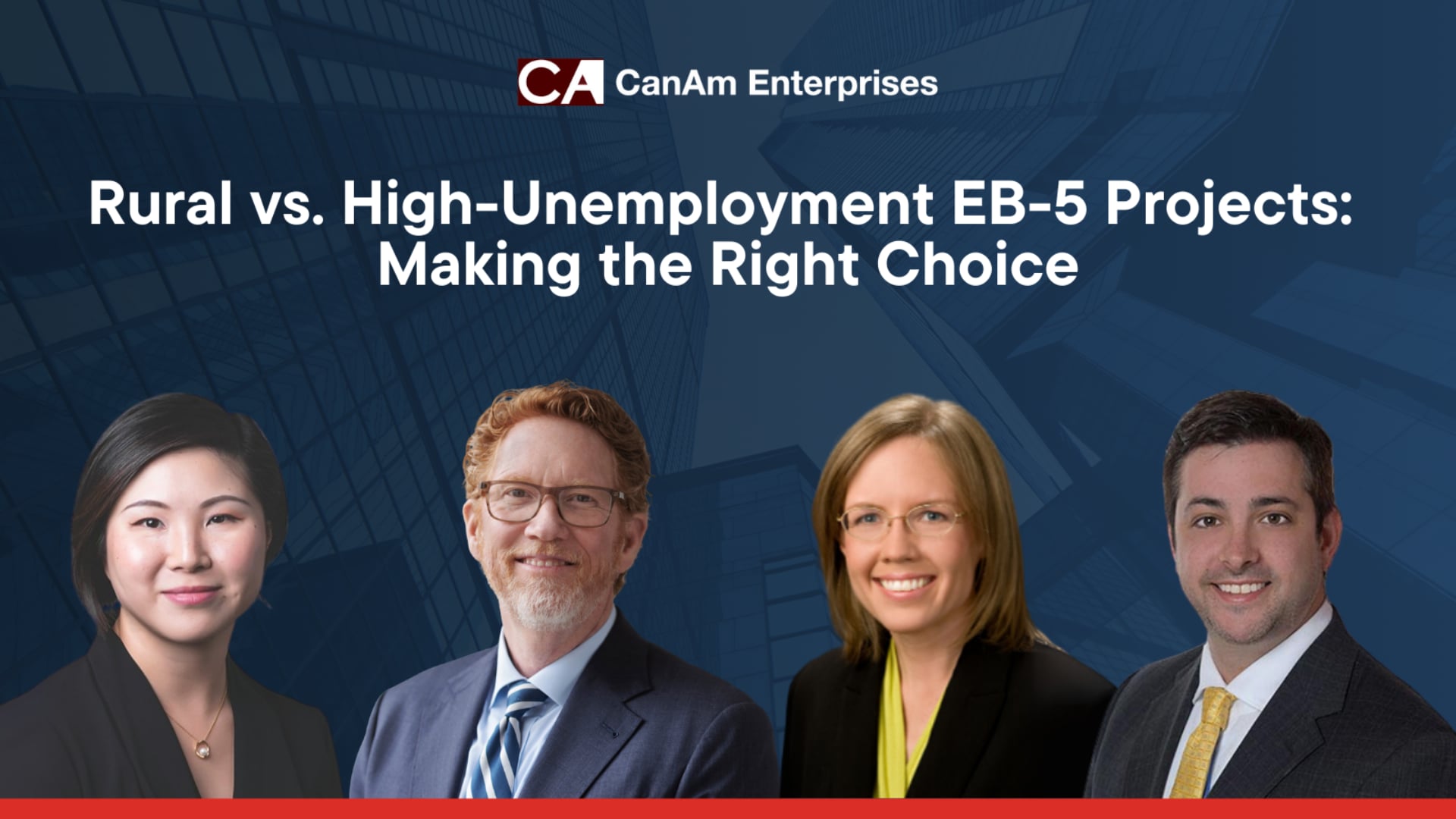
Part 3 of 5 in the EB-5 Economic Impact Webinar Series While the EB-5 Immigrant Investor Program has long been known for financing major urban...
Learn from real-life EB-5 investor case studies and how poor disclosure and cross-border planning led to avoidable financial setbacks. Real-World Case Studies: How Poor Disclosure...
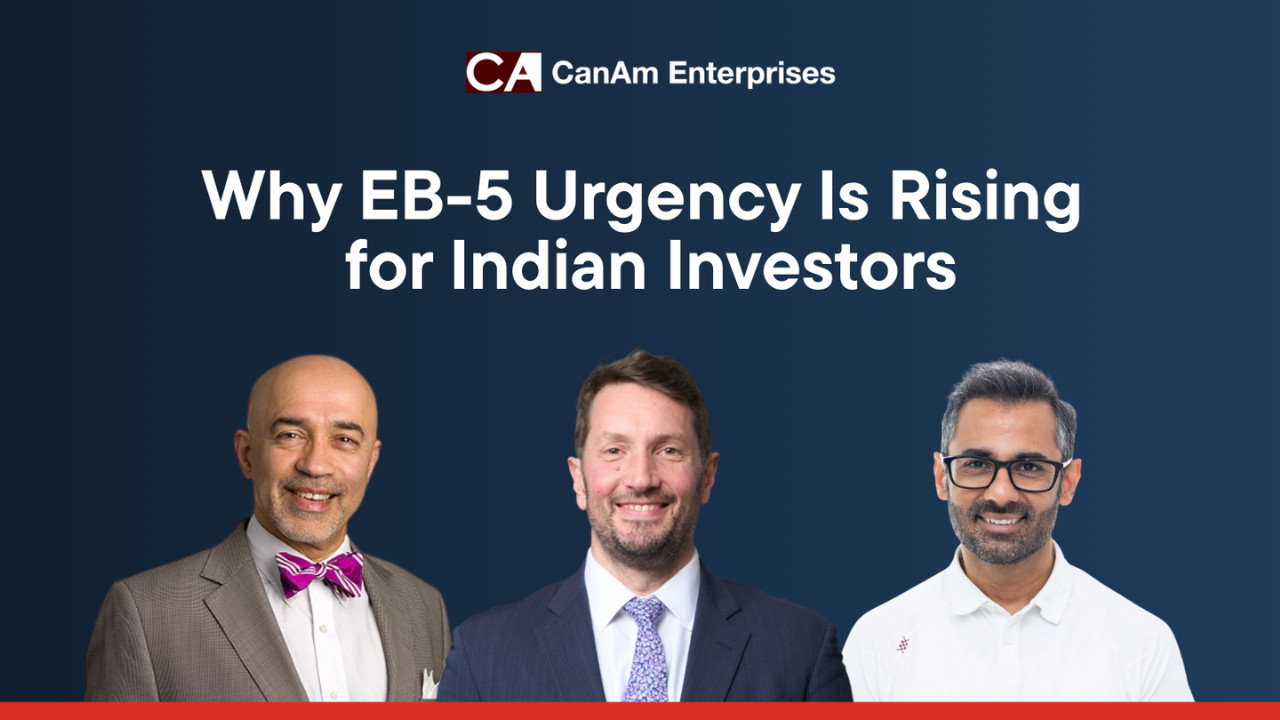
For Indian families looking to pursue U.S. permanent residency through the EB-5 program, two of the most critical questions are: How long will the process...
As immigration policy conversations intensify in the U.S., Henley & Partner recently hosted a timely and illuminating webinar focused on the U.S. EB-5 Immigrant Investor...

The EB-5 visa process is a pathway for foreign investors to obtain U.S. permanent residency through investment. It requires a minimum investment in a new commercial enterprise that creates or preserves at least ten full-time jobs for qualifying U.S. workers.
Investors must navigate several steps, including selecting a suitable project, filing the Form I-526 petition, and eventually applying for the EB-5 visa. Understanding these stages is crucial for making informed decisions and ensuring compliance with U.S. immigration laws.
Investing in EB-5 projects offers numerous benefits, including the opportunity for U.S. residency and the chance to contribute to job creation in the United States. This program is particularly appealing to high-net-worth individuals seeking a stable investment with potential for returns.
Additionally, EB-5 investments can provide access to U.S. markets and educational opportunities for investors and their families. The program's structure allows investors to diversify their portfolios while pursuing a path to citizenship.
Many potential investors harbor misconceptions about the EB-5 program, such as the belief that it guarantees a green card or that all projects are equally viable. Understanding these misconceptions is essential for making informed investment decisions.
While the program does offer a path to residency, success depends on the project's ability to meet job creation requirements and other regulatory standards. Investors should conduct thorough due diligence to avoid pitfalls associated with poorly structured projects.
The EB-5 market is evolving, with trends indicating a shift towards more transparency and accountability in project selection. Investors are increasingly looking for projects with proven track records and robust business plans that align with their investment goals.
Additionally, regulatory changes and economic factors may influence the types of projects that attract EB-5 investments. Staying informed about these trends can help investors make strategic choices that enhance their chances of success in the program.
The EB-5 visa process is a pathway for foreign investors to obtain U.S. permanent residency through investment. It requires a minimum investment in a new commercial enterprise that creates or preserves at least ten full-time jobs for qualifying U.S. workers.
Investors must navigate several steps, including selecting a suitable project, filing the Form I-526 petition, and eventually applying for the EB-5 visa. Understanding these stages is crucial for making informed decisions and ensuring compliance with U.S. immigration laws.
Investing in EB-5 projects offers numerous benefits, including the opportunity for U.S. residency and the chance to contribute to job creation in the United States. This program is particularly appealing to high-net-worth individuals seeking a stable investment with potential for returns.
Additionally, EB-5 investments can provide access to U.S. markets and educational opportunities for investors and their families. The program's structure allows investors to diversify their portfolios while pursuing a path to citizenship.
Many potential investors harbor misconceptions about the EB-5 program, such as the belief that it guarantees a green card or that all projects are equally viable. Understanding these misconceptions is essential for making informed investment decisions.
While the program does offer a path to residency, success depends on the project's ability to meet job creation requirements and other regulatory standards. Investors should conduct thorough due diligence to avoid pitfalls associated with poorly structured projects.
The EB-5 market is evolving, with trends indicating a shift towards more transparency and accountability in project selection. Investors are increasingly looking for projects with proven track records and robust business plans that align with their investment goals.
Additionally, regulatory changes and economic factors may influence the types of projects that attract EB-5 investments. Staying informed about these trends can help investors make strategic choices that enhance their chances of success in the program.