Overview of the EB-5 Visa Program
The EB-5 Visa Program is a U.S. immigration initiative that grants foreign investors the opportunity to obtain permanent residency by making qualifying investments in U.S. businesses. To qualify, applicants must invest a minimum of $900,000 in targeted employment areas or $1.8 million in other areas, creating or preserving at least ten full-time jobs for U.S. workers.
This program not only provides a pathway to residency for investors and their families but also stimulates economic growth through job creation and capital investment. In recent years, the program has attracted significant interest from investors, particularly from countries like India and China, seeking to secure a better future in the United States.
Recent Trends in EB-5 Investments
As the EB-5 program evolves, recent trends indicate a shift in investor preferences and project types. Many investors are now favoring urban development projects, which offer higher potential returns and greater job creation opportunities. This trend is particularly evident in cities that are undergoing revitalization, such as Philadelphia and Lake Jackson, where CanAm Enterprises has been actively involved.
Moreover, the COVID-19 pandemic has influenced investment strategies, with a growing focus on sectors that demonstrate resilience, such as multifamily housing and essential services. Investors are increasingly looking for projects that not only promise financial returns but also contribute positively to community recovery and development.
Success Stories: CanAm's Impact on Local Communities
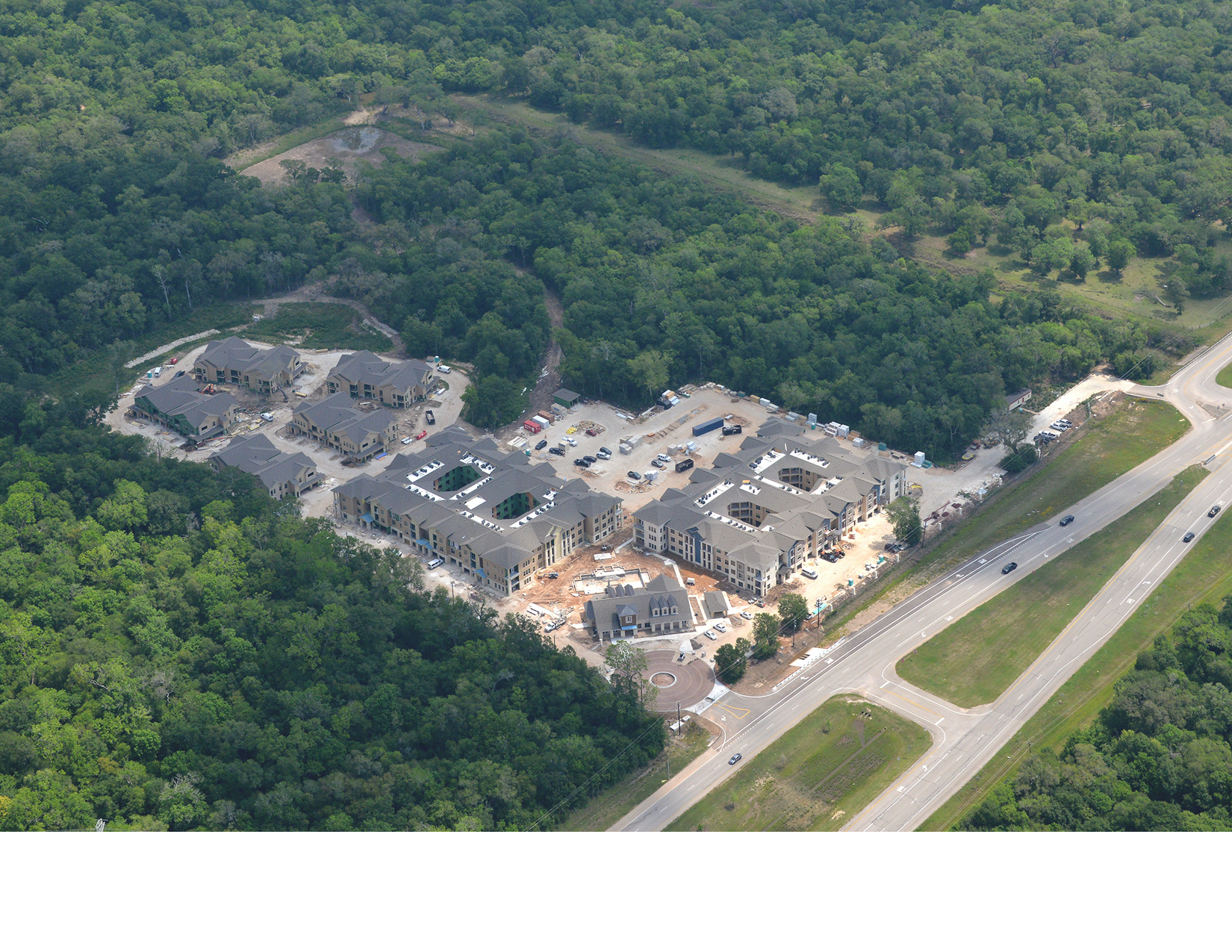
CanAm Enterprises has a proven track record of successful investments that have significantly impacted local communities. Projects like the CACP Urban Philadelphia Portfolio and the Lake Jackson apartment development have not only provided returns for investors but also created jobs and revitalized neighborhoods, showcasing the dual benefit of the EB-5 program.
These success stories highlight CanAm's commitment to responsible investment and community development. By partnering with local organizations and government entities, CanAm ensures that its projects align with the needs of the community, fostering sustainable growth and enhancing the quality of life for residents.
Understanding EB-5 Visa Processing Times
Processing times for the EB-5 visa can vary significantly based on several factors, including the applicant's country of origin and the volume of applications being processed by USCIS. Generally, the entire process can take anywhere from 18 months to several years, depending on the complexities involved.
Investors should stay informed about the latest updates from USCIS and prepare for potential delays, especially during periods of high application volume or changes in immigration policy. Understanding these timelines is crucial for investors to effectively plan their immigration journey and investment strategies.
Future Outlook for the EB-5 Visa Program
The future of the EB-5 Visa Program remains a topic of interest among investors and stakeholders. With ongoing discussions in Congress about potential reforms and extensions of the program, many are keen to understand how these changes may affect investment opportunities and application processes.
Experts predict that as the demand for U.S. residency continues to grow, the EB-5 program will adapt to meet the evolving needs of investors. This may include adjustments to investment amounts, targeted employment area definitions, or processing protocols, all aimed at enhancing the program's efficiency and attractiveness to foreign investors.