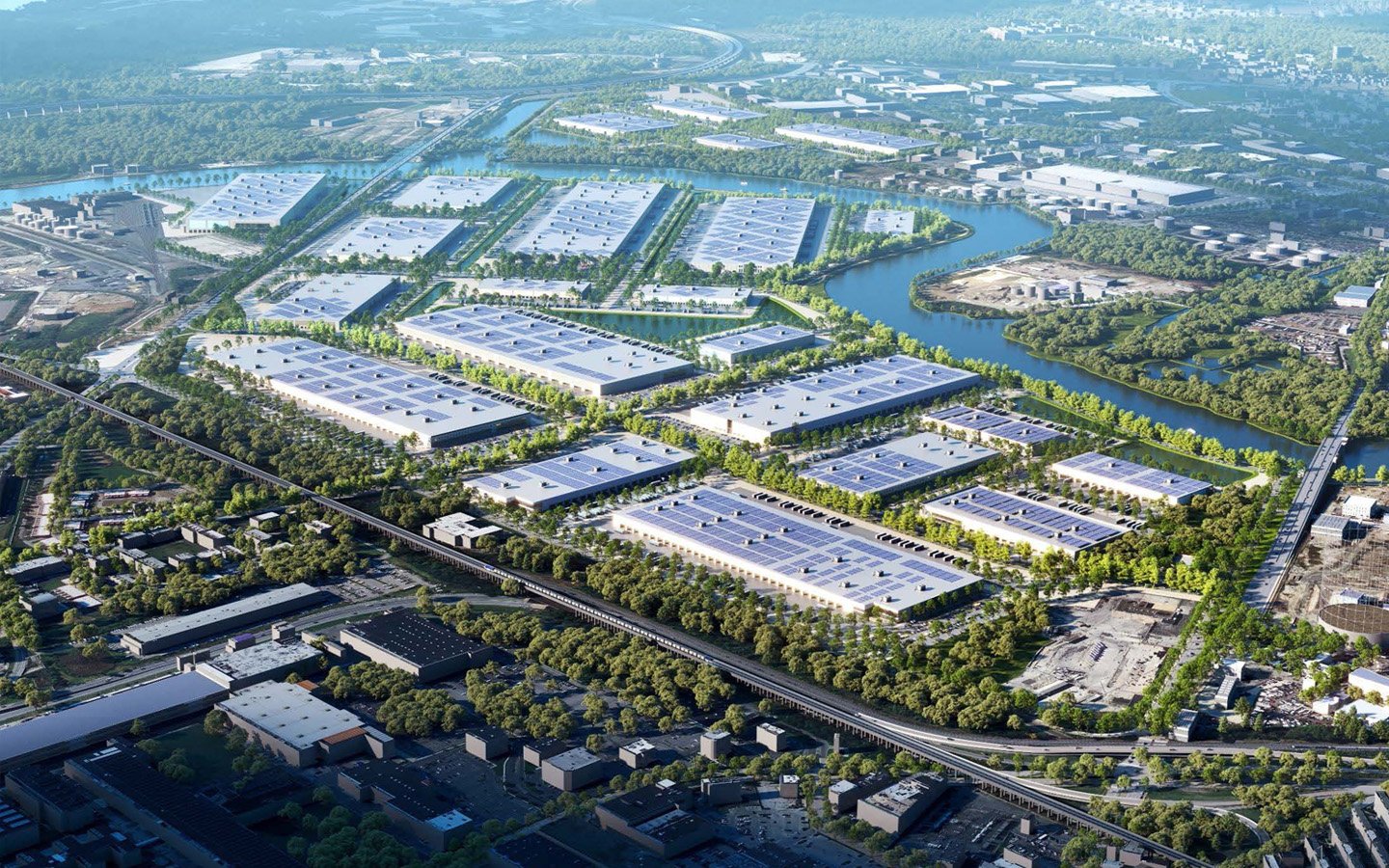
EB-5-loan in Targeted Employment Area (TEA) supports a dual hub for logistics & life sciences Philadelphia, PA – With shovels in hand and thousands of...
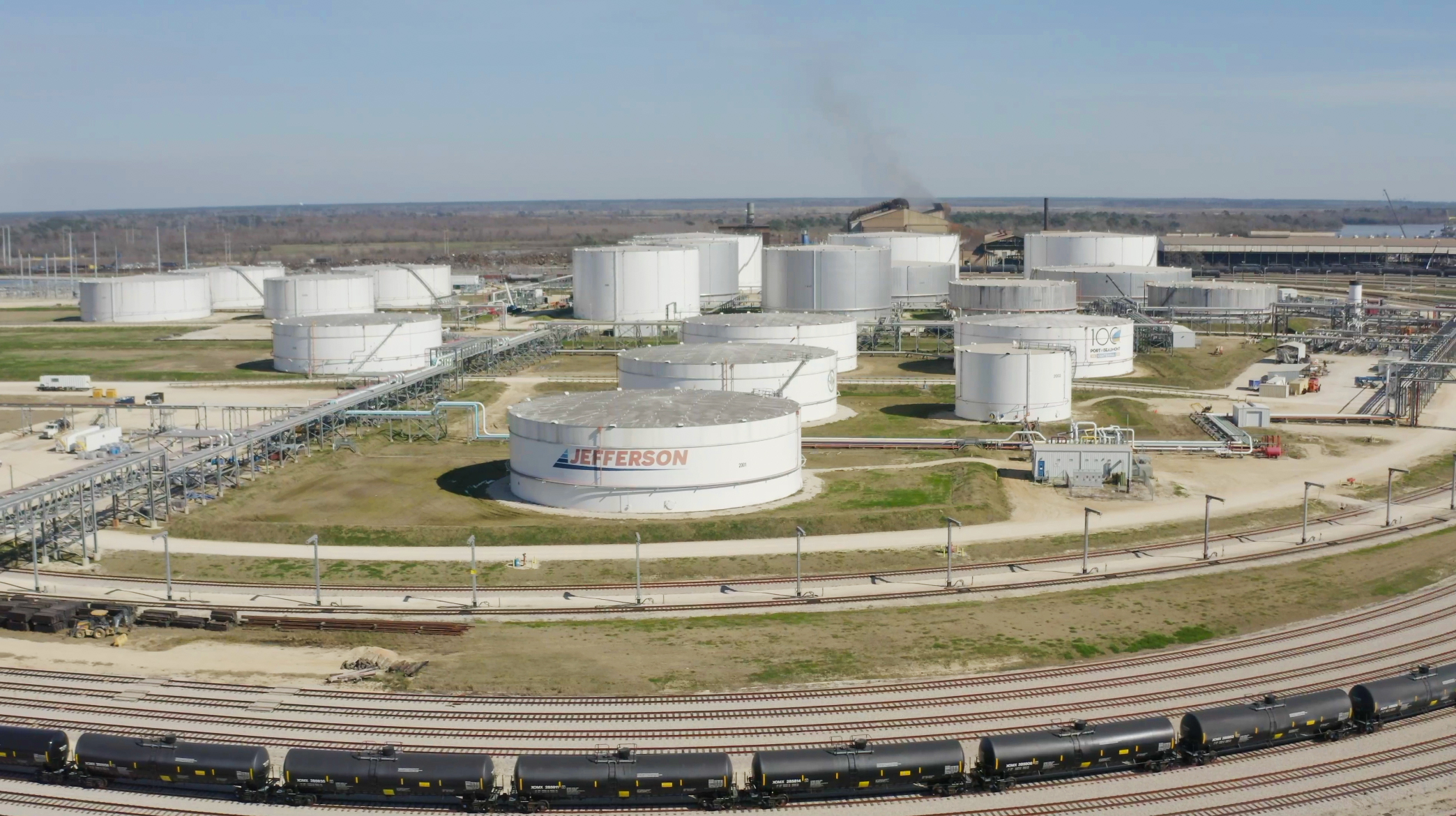
CanAm Enterprises (“CanAm”) is pleased to announce that USCIS has approved our first Form I-526E, approximately 13 months after it was filed. It is CanAm’s...
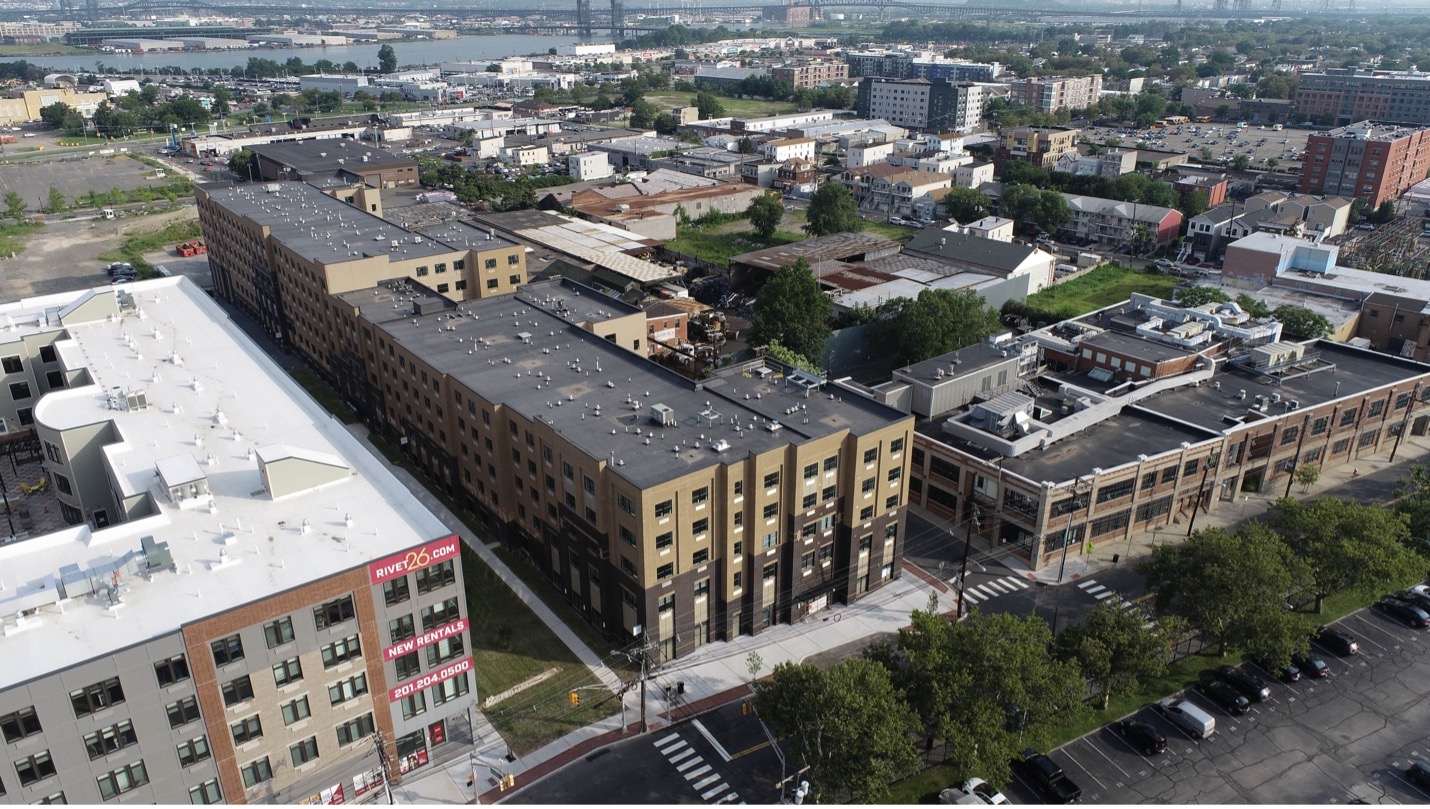
EB-5 investors supported key piece of $400 million West Campus redevelopment in New Jersey’s second-largest city New York, NY – CanAm Enterprises (“CanAm”) is delighted...
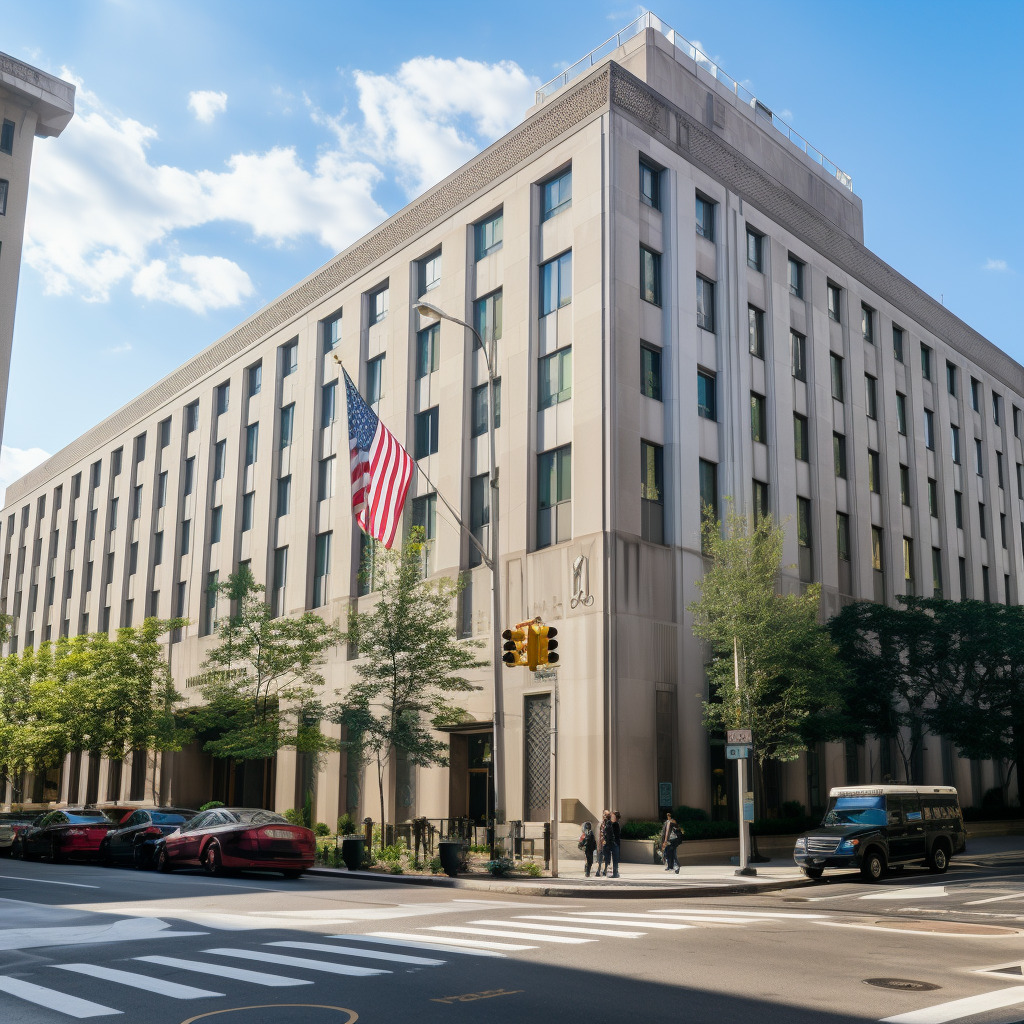
Last week, Dr. Michael Hanley, Data Scientist at the U.S. Department of State presented crucial EB-5 data points and policy updates at the @IIUSA’s Leadership...
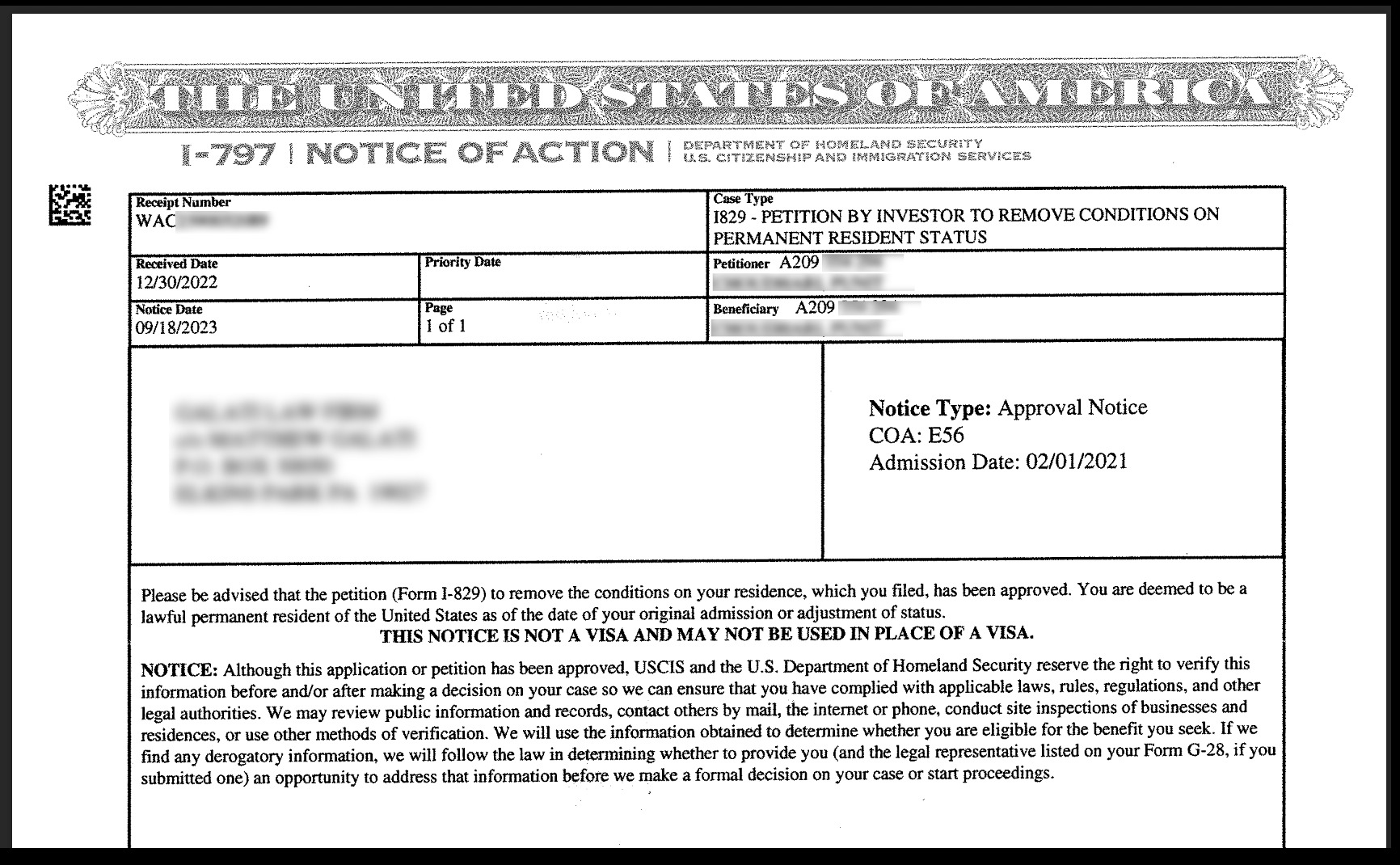
First permanent green card issued for fully repaid Philly project October 9, 2023, New York, NY — CanAm Enterprises (“CanAm”) is delighted to announce that...

By Pooja Singh Pooja Singh conducted an exclusive interview with Peter Calabrese, Chief Executive Officer of CanAm Investor Services where he discussed the significance of...

The EB-5 Visa Program offers foreign investors a pathway to U.S. residency by investing in job-creating projects. This program is particularly attractive to individuals seeking to establish a business presence in the United States while also gaining permanent residency for themselves and their families.
To qualify for the EB-5 program, investors must invest a minimum of $1 million in a new commercial enterprise, or $500,000 in a targeted employment area (TEA). The investment must create or preserve at least 10 full-time jobs for U.S. workers within two years of the investor's admission to the United States.
Recent trends in EB-5 investments indicate a growing interest in projects focused on technology and infrastructure development. Investors are increasingly looking for opportunities that not only promise financial returns but also align with their values and interests in sustainable development.
Data from the U.S. Citizenship and Immigration Services (USCIS) shows that the number of EB-5 applications has fluctuated, reflecting changes in immigration policies and economic conditions. Notably, projects in urban areas and those that support critical infrastructure have gained popularity among investors in recent years.
Success stories from EB-5 projects highlight the significant impact these investments can have on local communities and economies. For instance, many projects have revitalized struggling neighborhoods, created jobs, and improved public infrastructure.
One notable example is the development of mixed-use facilities in urban centers that not only provide housing but also commercial spaces for local businesses. These projects demonstrate the dual benefit of generating economic growth while offering investors a viable path to U.S. residency.
The future of the EB-5 program is subject to ongoing legislative discussions and potential reforms aimed at enhancing its effectiveness and appeal. Investors should stay informed about policy changes that may affect their investment strategies and residency applications.
As the program evolves, new opportunities may arise, particularly in sectors like renewable energy and technology. Understanding these trends will be crucial for investors looking to maximize their benefits under the EB-5 program and ensure compliance with evolving regulations.
The EB-5 Visa Program offers foreign investors a pathway to U.S. residency by investing in job-creating projects. This program is particularly attractive to individuals seeking to establish a business presence in the United States while also gaining permanent residency for themselves and their families.
To qualify for the EB-5 program, investors must invest a minimum of $1 million in a new commercial enterprise, or $500,000 in a targeted employment area (TEA). The investment must create or preserve at least 10 full-time jobs for U.S. workers within two years of the investor's admission to the United States.
Recent trends in EB-5 investments indicate a growing interest in projects focused on technology and infrastructure development. Investors are increasingly looking for opportunities that not only promise financial returns but also align with their values and interests in sustainable development.
Data from the U.S. Citizenship and Immigration Services (USCIS) shows that the number of EB-5 applications has fluctuated, reflecting changes in immigration policies and economic conditions. Notably, projects in urban areas and those that support critical infrastructure have gained popularity among investors in recent years.
Success stories from EB-5 projects highlight the significant impact these investments can have on local communities and economies. For instance, many projects have revitalized struggling neighborhoods, created jobs, and improved public infrastructure.
One notable example is the development of mixed-use facilities in urban centers that not only provide housing but also commercial spaces for local businesses. These projects demonstrate the dual benefit of generating economic growth while offering investors a viable path to U.S. residency.
The future of the EB-5 program is subject to ongoing legislative discussions and potential reforms aimed at enhancing its effectiveness and appeal. Investors should stay informed about policy changes that may affect their investment strategies and residency applications.
As the program evolves, new opportunities may arise, particularly in sectors like renewable energy and technology. Understanding these trends will be crucial for investors looking to maximize their benefits under the EB-5 program and ensure compliance with evolving regulations.


