Since the implementation of the EB-5 Reform and Integrity Act of 2022 (RIA), the I-526 and I-526E filing processes have changed significantly. However, one of...
The EB-5 Immigrant Investor Program has become a cornerstone for investors seeking U.S. residency while simultaneously contributing to economic development. However, one of the most...
In a recent webinar, CanAm Investor Services CEO Peter Calabrese and Michael Harris, a seasoned immigration attorney from Harris Law P.A., shared valuable insights into...
For international students in the United States, navigating visa options after graduation can be daunting. Two pathways often discussed include Optional Practical Training (OPT) and...
As the political landscape shifts following the recent U.S. presidential election, questions arise about potential impacts on immigration programs, especially those facilitating legal immigration for...
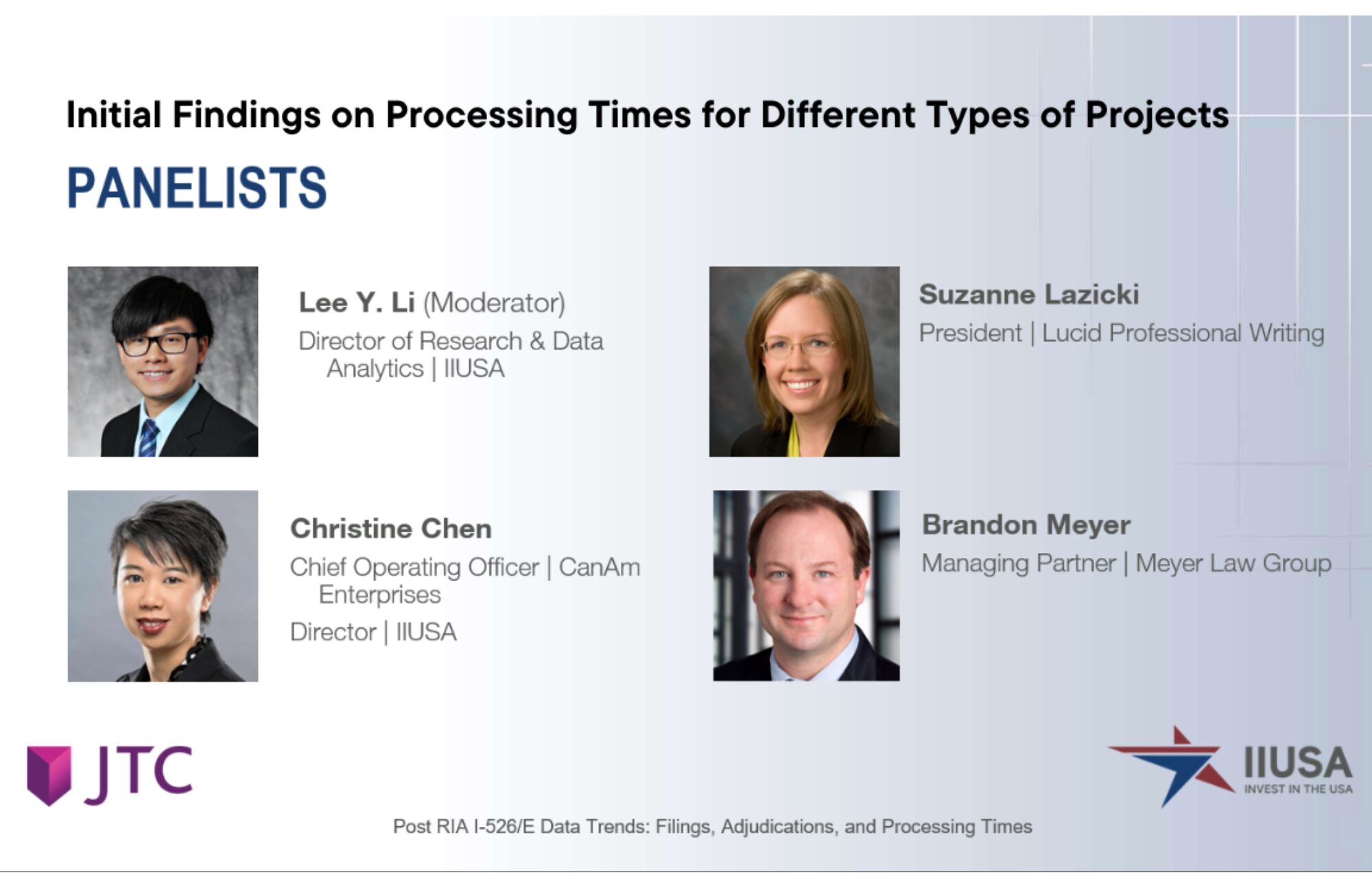
Since the implementation of the EB-5 Reform and Integrity Act of 2022 (RIA), the I-526 and I-526E filing processes have changed significantly. However, one of...

Processing times for the EB-5 Visa can vary significantly based on a multitude of factors, including the type of project and the volume of applications received. Investors must stay informed about these timelines to effectively plan their residency journey and investment strategy.
For instance, recent updates indicate that I-526 petitions are experiencing longer processing times due to increased scrutiny and regulatory changes. By understanding these timelines, investors can better navigate their expectations and make informed decisions about their EB-5 investment.
As the EB-5 landscape evolves, investors encounter various challenges that can impact their investment experience. These challenges may include regulatory changes, market fluctuations, and the complexities of project evaluations.
For example, the recent implementation of the EB-5 Reform and Integrity Act introduced new compliance requirements for regional centers, necessitating a deeper understanding from investors about how these changes affect their investments and potential returns.
Regional centers play a crucial role in the EB-5 program by facilitating investments in job-creating projects across the United States. They provide investors with opportunities to contribute to economic development while pursuing their residency goals.
Investors should carefully evaluate regional centers, as their track records, project offerings, and compliance with regulations can significantly influence the success of an EB-5 investment. Understanding the regional center's role helps investors make informed choices that align with their immigration objectives.
The EB-5 investment landscape is continually evolving, influenced by economic conditions, political changes, and shifting immigration policies. Staying abreast of these trends is essential for investors looking to maximize their opportunities.
Recent discussions among industry experts highlight a growing interest in sectors such as technology and renewable energy, which may present new avenues for EB-5 investments. By understanding these trends, investors can align their strategies with emerging opportunities in the market.
Processing times for the EB-5 Visa can vary significantly based on a multitude of factors, including the type of project and the volume of applications received. Investors must stay informed about these timelines to effectively plan their residency journey and investment strategy.
For instance, recent updates indicate that I-526 petitions are experiencing longer processing times due to increased scrutiny and regulatory changes. By understanding these timelines, investors can better navigate their expectations and make informed decisions about their EB-5 investment.
As the EB-5 landscape evolves, investors encounter various challenges that can impact their investment experience. These challenges may include regulatory changes, market fluctuations, and the complexities of project evaluations.
For example, the recent implementation of the EB-5 Reform and Integrity Act introduced new compliance requirements for regional centers, necessitating a deeper understanding from investors about how these changes affect their investments and potential returns.
Regional centers play a crucial role in the EB-5 program by facilitating investments in job-creating projects across the United States. They provide investors with opportunities to contribute to economic development while pursuing their residency goals.
Investors should carefully evaluate regional centers, as their track records, project offerings, and compliance with regulations can significantly influence the success of an EB-5 investment. Understanding the regional center's role helps investors make informed choices that align with their immigration objectives.
The EB-5 investment landscape is continually evolving, influenced by economic conditions, political changes, and shifting immigration policies. Staying abreast of these trends is essential for investors looking to maximize their opportunities.
Recent discussions among industry experts highlight a growing interest in sectors such as technology and renewable energy, which may present new avenues for EB-5 investments. By understanding these trends, investors can align their strategies with emerging opportunities in the market.