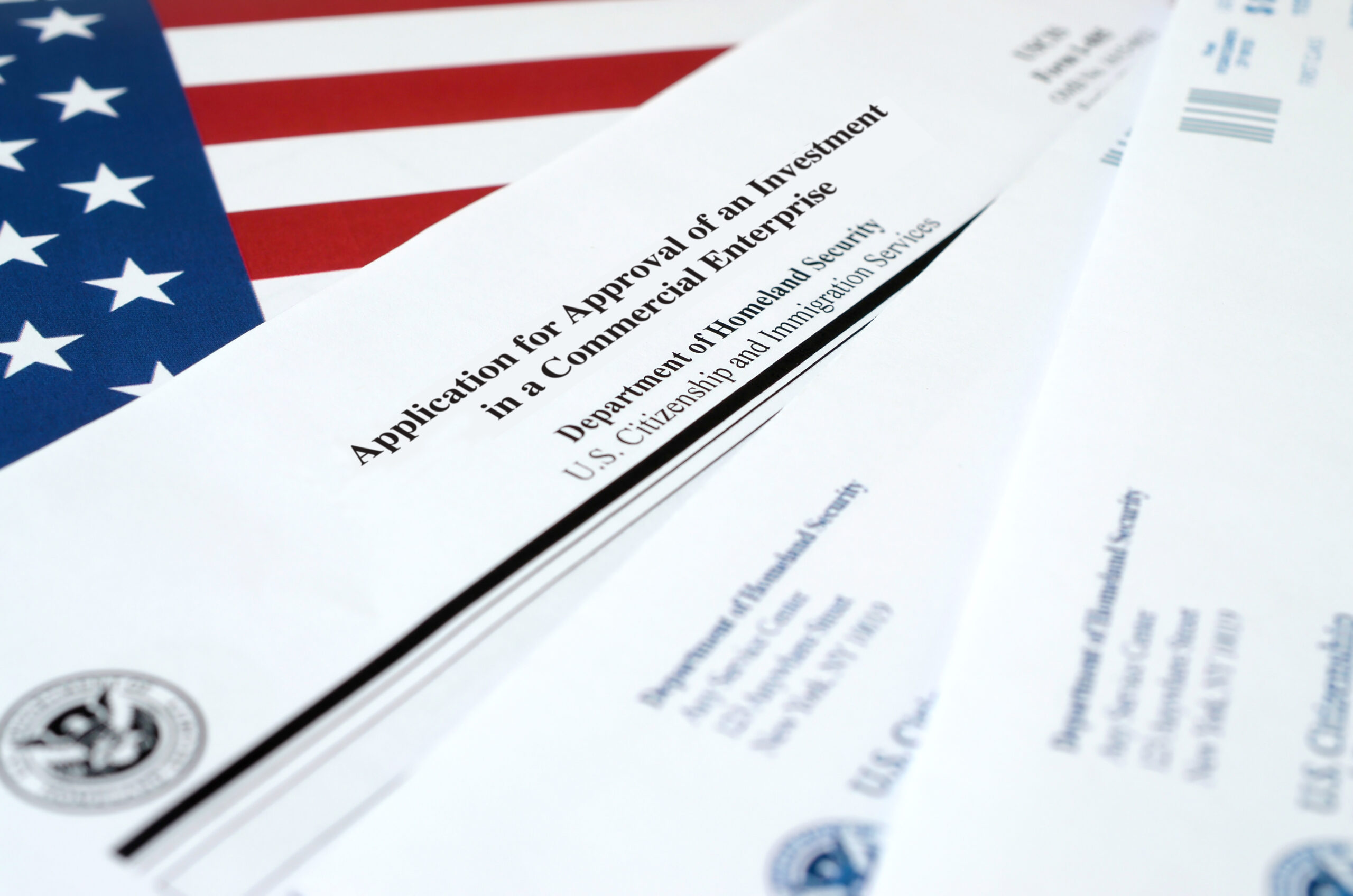
CanAm makes case that Rhoads project in Philadelphia Navy Yard meets strict criteria to expedite review of pending project application New York, NY – CanAm...
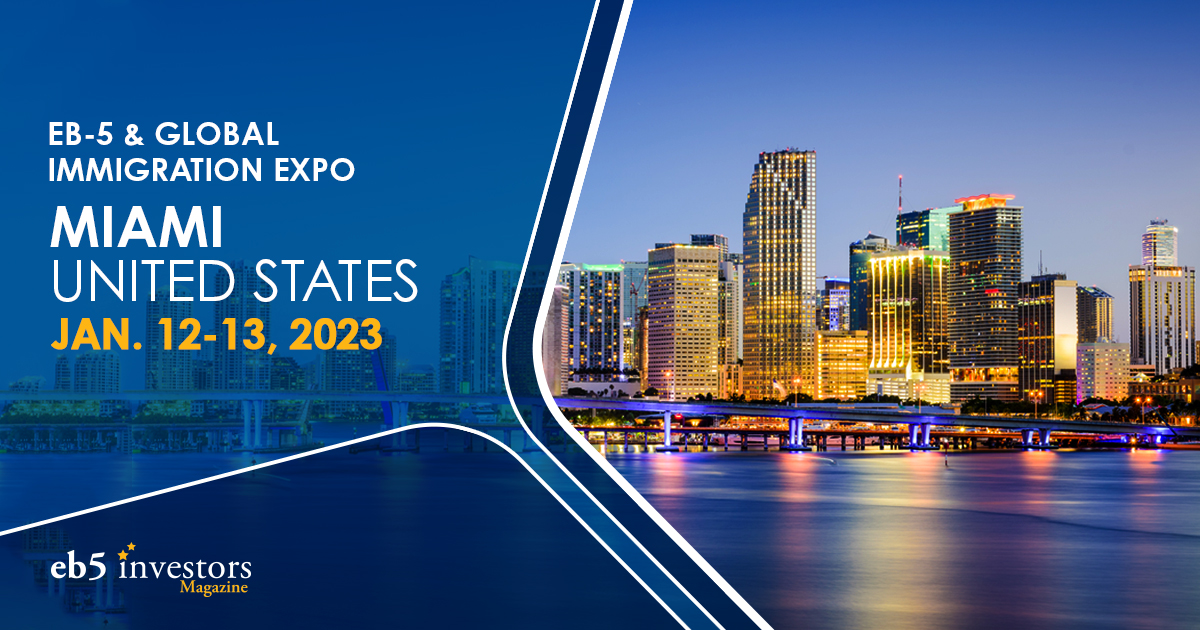
Experienced CanAm Leader Will Share Insights on Immigration by Investment Visa at Miami Expo New York, NY – What information, resources and guidance do...
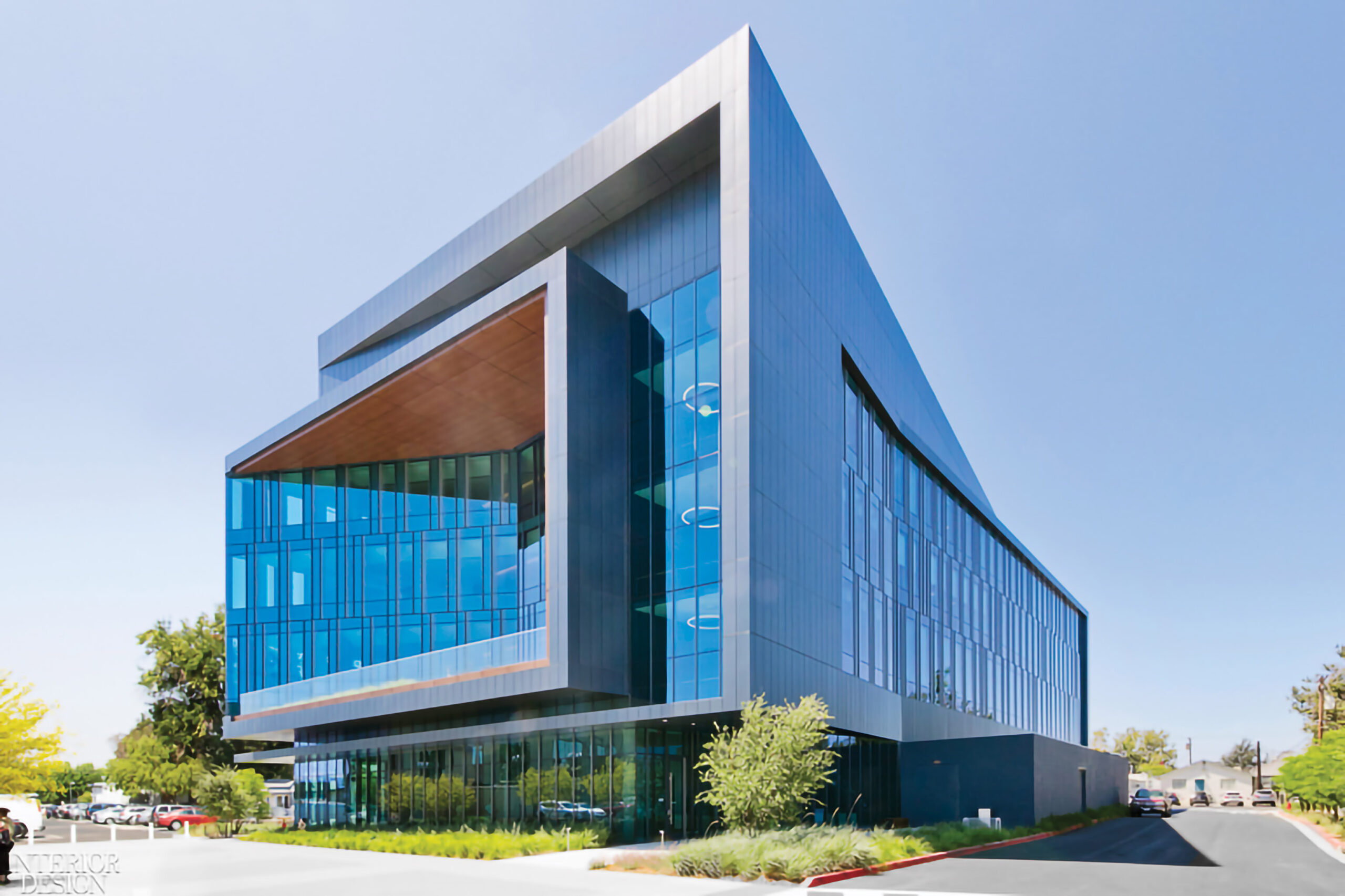
The $14.5M EB-5 loan supported the prestigious Lundquist Biomed Research Center project in L.A. New York, NY – CanAm Enterprises (CanAm) today notified its EB-5...

The EB-5 Visa Program offers foreign nationals a pathway to U.S. permanent residency through investment in U.S. businesses. To qualify, investors must meet specific criteria, including a minimum investment amount and job creation requirements, which are designed to stimulate the U.S. economy.
This program not only provides an opportunity for investors to gain residency but also supports job creation in the U.S. For instance, each EB-5 investment must create or preserve at least ten full-time jobs for qualifying U.S. workers, making it a mutually beneficial initiative for both investors and the American economy.
Investing through the EB-5 program comes with several advantages, including expedited processing times for visa applications and the potential for a return on investment. Investors can also enjoy the flexibility of living and working anywhere in the United States once their visa is approved.
Moreover, the EB-5 program allows for family inclusion, meaning that investors can also apply for visas for their spouses and children under 21. This family-oriented approach enhances its appeal, as it opens doors for entire families to pursue new opportunities in the U.S.
Recent trends indicate a growing interest in EB-5 investments, particularly among investors from countries facing economic challenges. This surge is attributed to the program's ability to offer a stable pathway to U.S. residency amid global uncertainties.
Additionally, the types of projects attracting EB-5 investments have evolved, with a noticeable shift towards technology and healthcare sectors. These industries not only promise high returns but also contribute significantly to job creation, aligning with the program's goals.
Potential investors often have numerous questions regarding the EB-5 visa process. Common inquiries include the timeline for application approval, the types of investments permitted, and the implications of investment redeployment.
Addressing these FAQs is essential for potential investors to make informed decisions. For instance, understanding the nuances of the application process and the importance of choosing the right project can significantly impact the success of their investment and residency goals.
The EB-5 Visa Program offers foreign nationals a pathway to U.S. permanent residency through investment in U.S. businesses. To qualify, investors must meet specific criteria, including a minimum investment amount and job creation requirements, which are designed to stimulate the U.S. economy.
This program not only provides an opportunity for investors to gain residency but also supports job creation in the U.S. For instance, each EB-5 investment must create or preserve at least ten full-time jobs for qualifying U.S. workers, making it a mutually beneficial initiative for both investors and the American economy.
Investing through the EB-5 program comes with several advantages, including expedited processing times for visa applications and the potential for a return on investment. Investors can also enjoy the flexibility of living and working anywhere in the United States once their visa is approved.
Moreover, the EB-5 program allows for family inclusion, meaning that investors can also apply for visas for their spouses and children under 21. This family-oriented approach enhances its appeal, as it opens doors for entire families to pursue new opportunities in the U.S.
Recent trends indicate a growing interest in EB-5 investments, particularly among investors from countries facing economic challenges. This surge is attributed to the program's ability to offer a stable pathway to U.S. residency amid global uncertainties.
Additionally, the types of projects attracting EB-5 investments have evolved, with a noticeable shift towards technology and healthcare sectors. These industries not only promise high returns but also contribute significantly to job creation, aligning with the program's goals.
Potential investors often have numerous questions regarding the EB-5 visa process. Common inquiries include the timeline for application approval, the types of investments permitted, and the implications of investment redeployment.
Addressing these FAQs is essential for potential investors to make informed decisions. For instance, understanding the nuances of the application process and the importance of choosing the right project can significantly impact the success of their investment and residency goals.

